

Bacterial Growth Influences pH for Environmental Adaptation
November 1, 2024
This study examined how bacteria like E. coli and Pseudomonas strains change the pH of their surroundings during growth. Results showed that bacteria can regulate pH based on food sources and environmental conditions, highlighting their adaptability. These findings suggest potential uses in pollution cleanup and better lab cultivation methods.
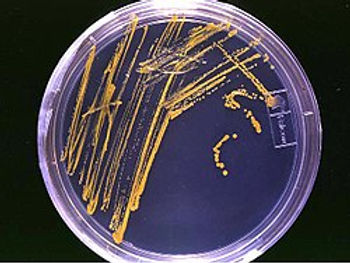
This study demonstrates the impact of bacteria growth, on the pH levels, which indicates the acidity or alkalinity of the surroundings they inhabit. Scientists aimed to study whether varying pH levels and food sources such as glucose or citrate would alter the pH during growth. The significance of this research aims to show how bacteria can influence their surroundings and how they can be utilized for pollution remediation purposes. This research indicates that bacteria can endure environments by regulating the pH surrounding them..
Figure 1 showcases three different kinds of bacteria grown in nutrient mixtures with different pH levels, which were controlled factors by the researchers working on the study. The main point of the study was to change the pH levels as the independent variable and record the changes in both the pH levels and the number of bacteria over time as the dependent variables. This was done in all attempts. For comparisons to be possible across different pH settings, the researchers made sure that things like temperature and nutrient composition stayed the same during the processes. The tests examined the bacteria E.coli, P.putida, and P. pseudoalcaligenes and their growth at different pH levels. After starting with different pH levels, it was seen that by the end of the experiment, the bacteria were able to control and change the pH to the level they liked best. In this case, it showed that they could change their environment to meet their goals.
Figure 2 was made by growing three types of bacteria in a nutrient solution called M63 medium, using glucose as the only food. They started with different pH levels for each type of bacteria—this is the independent variable. They watched how much the bacteria grew and how the pH changed—these are the dependent variables. The experiments showed that the pH stayed more stable for Pseudomonas bacteria but dropped sharply for E. coli during its fastest growth, stopping its growth completely when starting at the lowest pH. This shows how sensitive E. coli is to pH changes compared to Pseudomonas.
Figure 3 was created by growing P. putida bacteria in M63 medium, but this time they used different sources of food: glucose, glycerol, and citrate. The type of food source was the independent variable, and the changes in pH and bacterial growth were the dependent variables. They kept the pH at a constant starting point of 7.0 for all the experiments. The results showed that the choice of food source affected how the pH changed during growth. For example, using citrate as a food source caused the pH to rise, whereas glucose and glycerol kept it more stable, highlighting how different nutrients influence bacterial environment control.
Based on what they eat and how they started, the data shown in Figures 1–3 show that bacteria can change the pH levels of their surroundings.It means that knowing how bacteria react to different scenarios can be used to help clean up the environment by doing things like controlling pH levels to break down substances. In the future, researchers may look into different types of bacteria and different environmental situations to find combos that can make places cleaner. Additionally, understanding these steps could help stop the growth of germs in places like facilities. Lastly, this research could lead to better ways to grow bacteria in the lab for research purposes, which would make studies more efficient and accurate.
Clemente, R.S., Igeño, M.I., Población, A.G., Guijo, M.I, Merchán, F., Blasco, R. (2018). Effects
Study of pH Changes in Media during Bacterial Growth of Several Environmental Strains. Proceedings. 1297(2), 1-5. 10.3390/proceedings2201297.